How to Keep Pets Cool in Heatwaves

Fiona Robertson

Keeping Pets Cool During Heatwaves
Practical, safe ways to help dogs, cats, and small animals cope with extreme heat
As temperatures soar, it’s essential to keep our pets comfortable and safe. Unlike humans, animals don’t sweat efficiently and can overheat very quickly — especially large, double-coated breeds, flat-faced dogs, seniors, puppies, and small animals.
Here are practical, experience-based ways to help your pets cope during heatwaves.

🐾 Check the Ground Temperature Before Walking
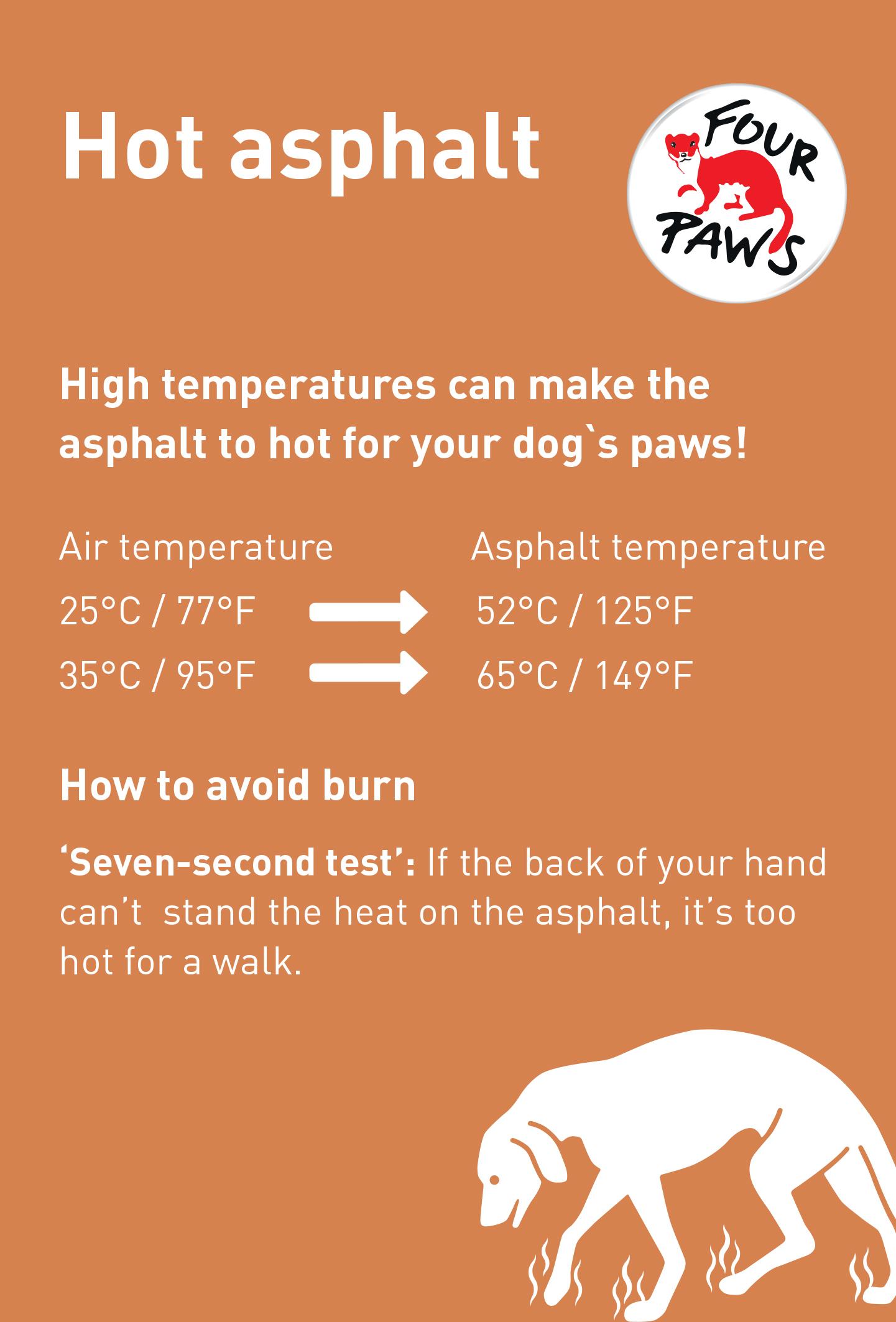
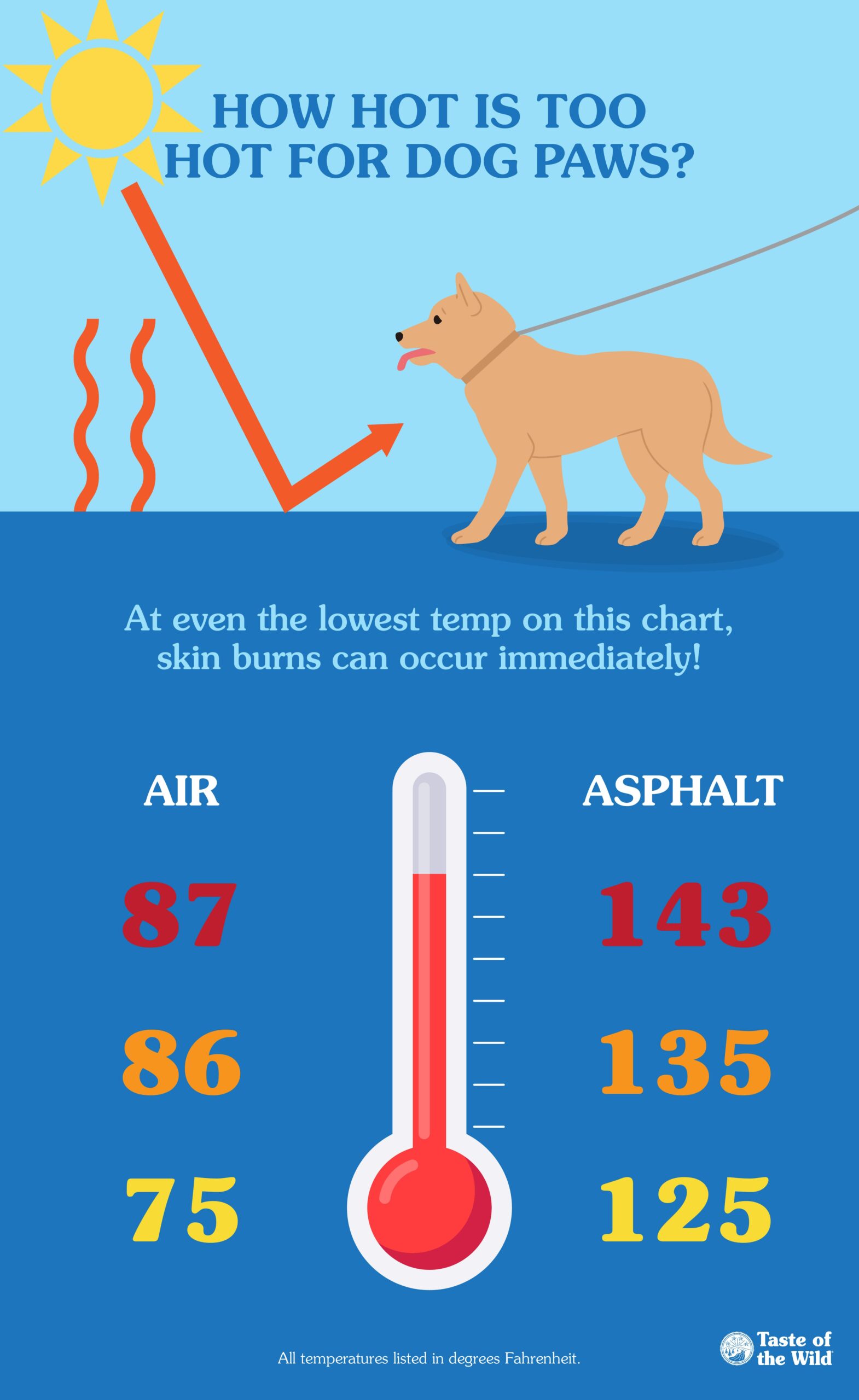
Before walking your pet, place the back of your hand or bare foot on the surface for 5–7 seconds.
If it’s too hot for you, it’s too hot for your pet’s paws.
Surfaces such as asphalt, concrete, artificial turf, and sand heat up quickly and can cause painful burns, even when the air temperature doesn’t feel extreme.
❄️ Air Conditioning: The Gold Standard
If you have air conditioning, this is the most effective way to keep pets safe during extreme heat.
For large, heavily coated breeds such as Newfoundlands, setting air conditioning around 19°C is a good starting point. This helps regulate body temperature without shocking their system. Even running air con for part of the day can significantly reduce heat stress.
💧 Hydration Is Essential
Always ensure pets have access to fresh, cool water at all times.
Refresh water bowls frequently
Provide multiple water stations
Add ice cubes to keep water cooler for longer (many pets enjoy playing with them)
Hydration needs increase further if pets are swimming or moving around.
🌳 Provide Reliable Shade & Cool Retreats
Pets need access to deep, continuous shade, not just areas that shift with the sun.
Use shade cloths, tents, trees, or awnings
Allow access to cooler areas like garages or covered spaces
Cats often prefer shaded outdoor areas rather than coming inside — give them safe options
Shade must always be well-ventilated. Still air can be just as dangerous as direct sun.
🚶♀️ Time Walks Wisely
Plan walks for the coolest parts of the day:
Very early morning (even 4–5 am)
Late evening (9 pm or later)
Choose shaded routes where possible and don’t hesitate to skip walks entirely on extreme heat days. Heatwaves are not the time to push exercise.
❄️ Cooling Mats & Cool Surfaces
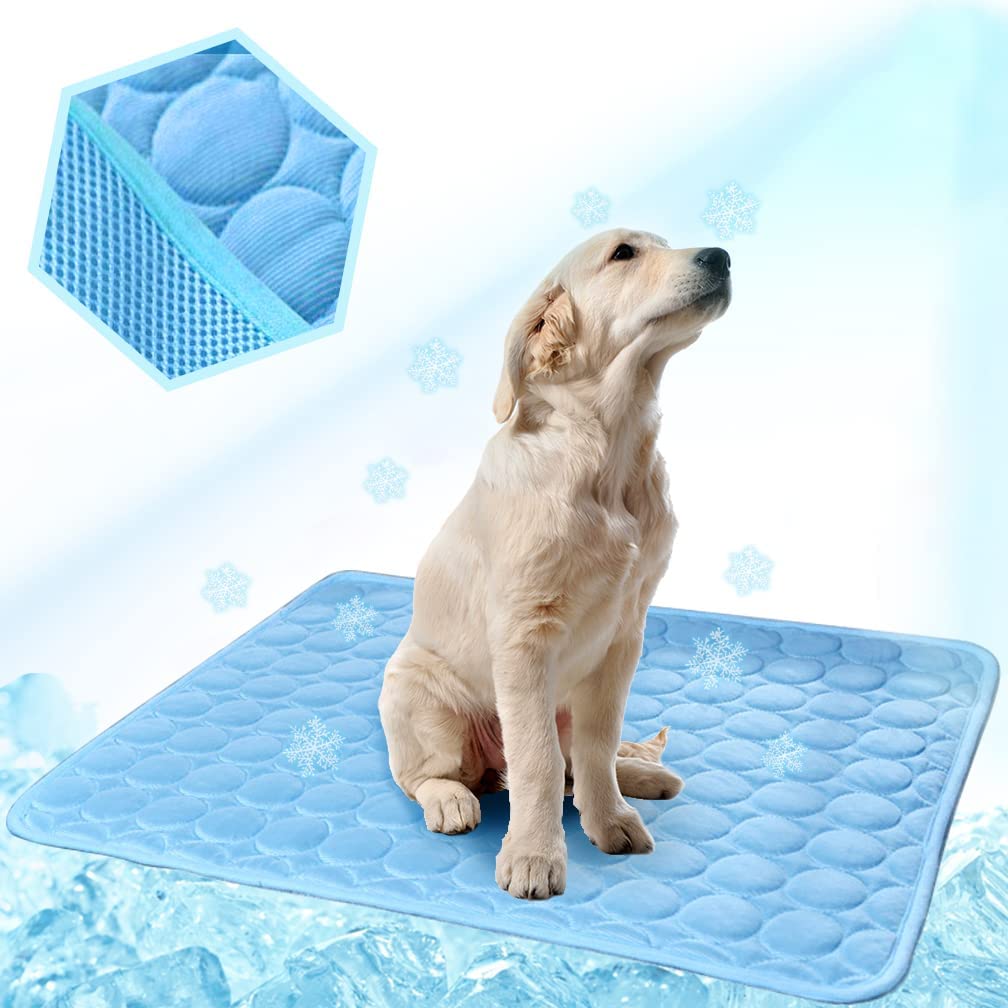
Provide cooling mats or damp towels for pets to lie on.
Encourage resting on tiles, concrete, or shaded decking
Avoid dark rubber matting or artificial turf — these retain heat
Extra tip: On very hot days, cooling mats can be placed in the freezer overnight. Allow them to warm slightly before use so they are cool, not icy, and always place them in a shaded, ventilated area.
🧊 Frozen Water Bottles
Freeze water in old plastic bottles and place them near your pet’s resting area.
Wrap the bottle in a light cloth if placed close to the body
This prevents freezer burn and provides gentle cooling
This method helps draw heat away from the body and can improve comfort during peak heat.
🌬️ Use Airflow to Boost Cooling
Placing a bowl of cool or ice water in front of a fan can help circulate cooler air through evaporative cooling.
This works best when pets are resting nearby on cooling mats or cool surfaces.
⚠️ Ensure fans are stable, cords are out of reach, and airflow is gentle rather than blasting directly at pets.
💦 Water Play & Swimming (With Care)
Shallow paddling pools can be very effective
Swimming is helpful only if pets can exit easily and rest afterward
Always supervise
Never force water play — some pets prefer passive cooling
🐾 Cooling Through the Paws
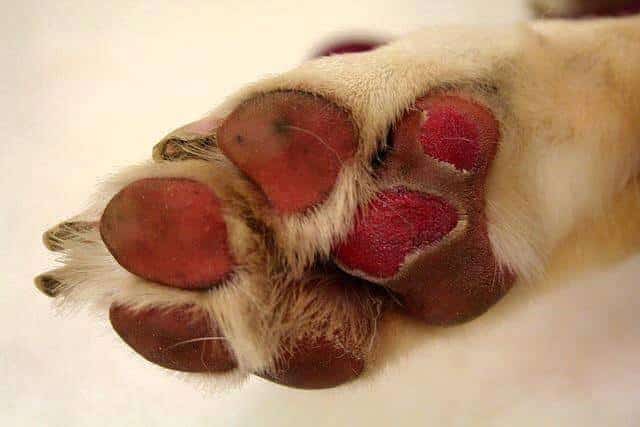
Dipping your pet’s paws into a bowl of cool (not icy) water for a couple of minutes can help lower body temperature. The paw pads contain blood vessels that play a role in heat regulation, so gentle cooling here can provide real relief during hot weather.
This is especially useful:
After a short walk
When pets seem warm but not distressed
For dogs that won’t lie on cooling mats
⚠️ Keep sessions brief (1–2 minutes at a time) and always supervise. Dry paws afterward to prevent slipping, especially on tiles.
✂️ Smart Trimming for Double-Coated Breeds
For heavily coated breeds like Newfoundlands, full shaving is not recommended. The coat provides insulation from both heat and sunburn.
Instead, focus on targeted trimming in areas that naturally contact cool surfaces:
Belly
Chest
Chin and throat
Between the legs
Around the groin (carefully)
These areas help release heat when pets lie on tiles, concrete, or cooling mats. Regular brushing to remove excess undercoat is just as important as trimming.
👀 Watch for Signs of Heat Stress
Be alert for:
Excessive or frantic panting
Drooling or thick saliva
Lethargy or weakness
Seeking cool surfaces urgently
Vomiting or collapse (emergency)
Small animals and flat-faced breeds are especially vulnerable. If you’re concerned, contact your vet immediately.
Final Thought
Heatwaves can be challenging, but with preparation and awareness, pets can stay safe and comfortable. If it feels too hot for you, it’s almost certainly too hot for them — slow down, cool the environment, and let rest be the priority.

