VULNERABLE DOG BREEDS • NEW ZEALAND
Vulnerable Dog Breeds in New Zealand: Why Small Populations Need Long-Term Planning
Why vulnerable breeds need long-term planning in New Zealand
Vulnerable dog breeds in New Zealand need long-term genetic planning because small local populations can quickly lose unrelated breeding options.
Vulnerable dog breeds in New Zealand can face a particular problem: even when a breed exists in reasonable numbers overseas, the local breeding population may be small and genetically limited. Protecting these breeds means keeping enough healthy, genuinely different bloodlines available so future breeders still have choices.
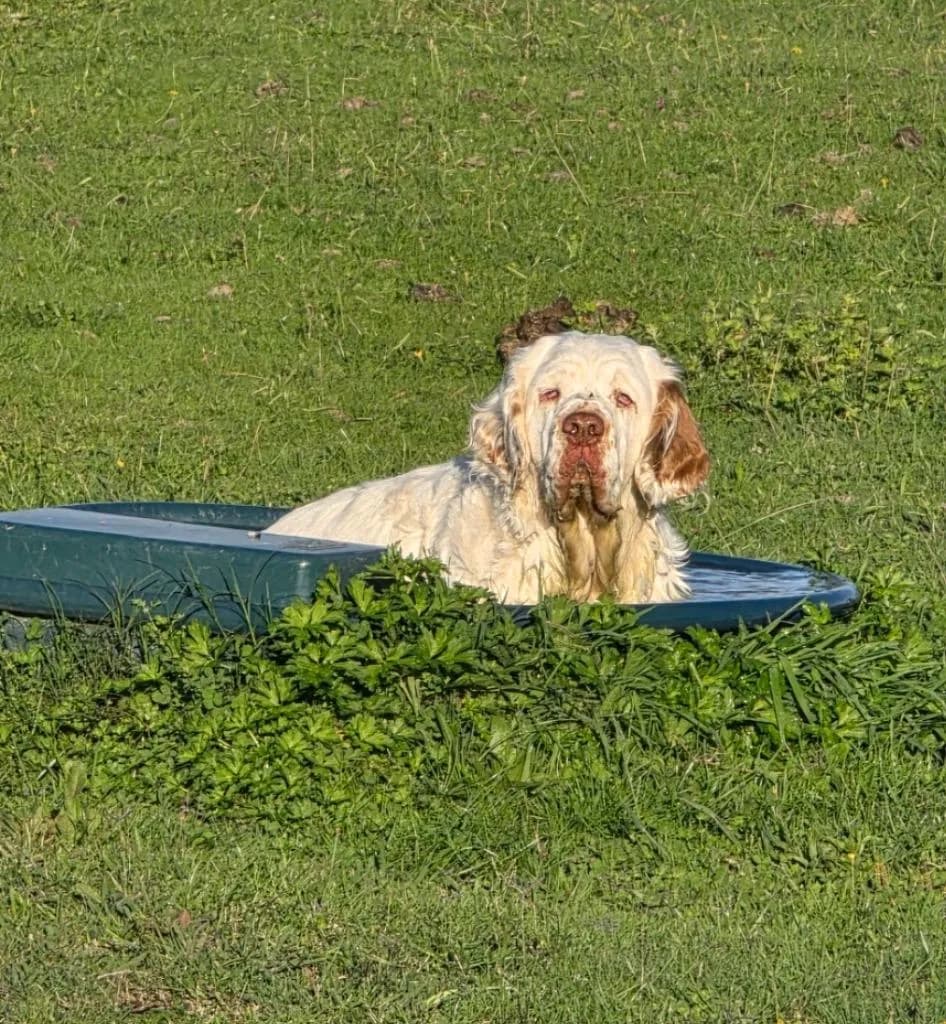
For New Zealand breeders and owners, the challenge can be even greater. We are geographically isolated and our local populations of many less common breeds are small. That means the number of unrelated dogs available for breeding may be limited, while importing semen, embryos or dogs from overseas can be expensive and complicated. From my own experience with Newfoundlands and Clumber Spaniels in New Zealand, the challenge is not simply finding another dog — it is finding genetics that genuinely add useful options for the future.
A breed can look healthy while its genetic options narrow
A breed can look perfectly healthy on the surface while its genetic options are steadily narrowing. If too many dogs descend from the same few popular animals, breeders may eventually have fewer genuinely different lines to work with. That does not mean every mating must be between completely unrelated dogs, nor that pedigree breeding itself is the problem. The real issue is whether enough diversity is being retained across the population over time. The Royal Kennel Club tracks vulnerable native breeds by declining registration numbers and publishes breed registration statistics to monitor these populations.
In a small breed population, every lost bloodline removes a choice from the breeders who come next.
For New Zealand, protecting vulnerable breeds means thinking beyond the next litter.
Preserving options for future breeders
Why keeping several genetic roads open matters
Good population management is a long game. Breeders may need to maintain several different family lines, bring in carefully selected overseas genetics, repeat a successful mating when the first litter does not provide enough suitable breeding options, and then branch those offspring into different lines in later generations.
Real life rarely follows the tidy breeding plan drawn on paper. A litter may contain only one puppy of the sex you hoped to retain, a puppy may be lost, or a planned mating may fail altogether. Sometimes repeating a mating is the most sensible way to create more choices from the same genetic combination before moving those offspring into different lines.
For New Zealand, protecting vulnerable breeds means thinking beyond the next litter. It means preserving options for breeders ten, twenty or thirty years from now. The goal is not simply to produce puppies. It is to keep enough healthy, useful and genuinely different dogs within the population that the breed still has somewhere to go.
Want the full background? Read the complete Newflands article, What Is a Vulnerable Dog Breed? Why Rare Breeds Need More Than Admiration, for the wider discussion of population genetics, genetic diversity and long-term breed preservation.
On this page
Read the full Vulnerable Dog Breeds article
This New Zealand companion article focuses on the local challenge of preserving small breed populations. For the full discussion of vulnerable breeds, population genetics and long-term preservation, read the complete Newflands article.

