VULNERABLE DOG BREEDS • NEW ZEALAND
Genetic Diversity in New Zealand Dog Breeds: Keeping Breeding Options Open
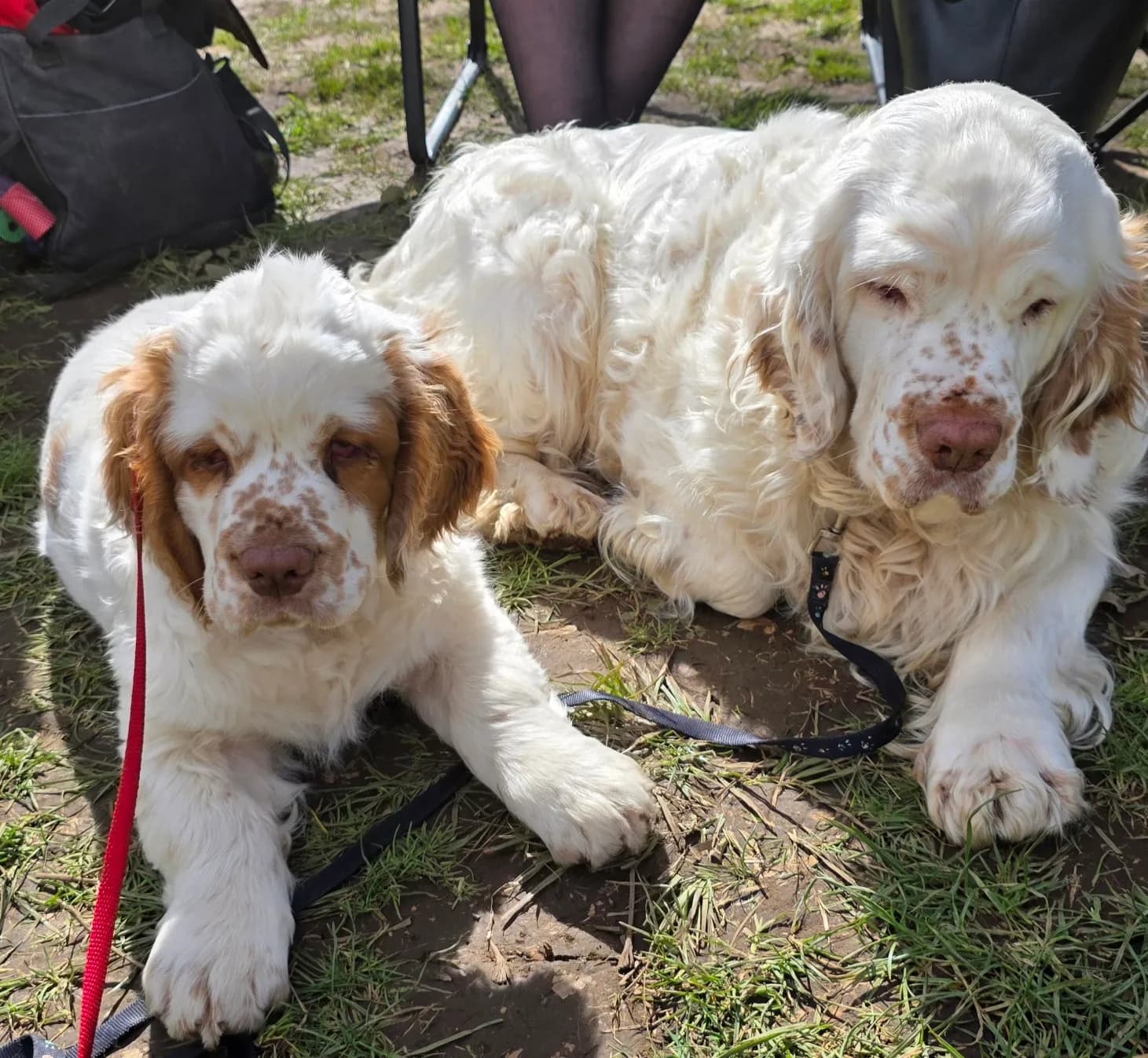
Why genetic diversity matters even more in New Zealand
Genetic diversity matters in New Zealand because small local populations can quickly run out of genuinely different breeding options. In my own breeding work with Newfoundlands and Clumber Spaniels, I have seen how quickly those choices can narrow when pedigrees repeatedly lead back to the same families. Breeders can help protect future options by maintaining several family lines, checking deeper pedigrees and using genuinely different overseas genetics when needed.
Breeders can act by keeping more than one family line active, checking pedigrees beyond the first few generations, recording health and litter outcomes, and bringing in genuinely different overseas genetics before local choices become too narrow.
Genetic diversity is the breeding room a population keeps for its future.
For New Zealand breeders, the practical answer is to keep several family lines in use, study pedigrees beyond the first few generations, and bring in genuinely different overseas genetics before local choices become too narrow. These steps help preserve more mating options for future generations.
That matters particularly in New Zealand, where a rare breed may begin with only a handful of imported animals. A dog may look unrelated on a short pedigree, yet still share many of the same ancestors as the rest of the local population.
From my own breeding experience, the important question is not simply “Is this a different dog?” but “Does this dog genuinely give the breed another useful genetic direction?”
In a vulnerable breed, genetic diversity is really about preserving choices for the breeders who come next.
Why small populations can lose breeding choices quickly
Imagine there are three bitches already in the country, each from genuinely different lines. Ideally, a breeder might then bring in genetics from three further unrelated dogs. Those six lines could be kept separate for as long as practical before they were eventually combined.
On paper that looks simple. In real life, breeding rarely behaves so neatly. One bitch may produce only a single daughter. Another mating may produce only one suitable dog. A litter may fail altogether. At that point the breeder has to work with what was actually produced rather than what the original pedigree chart predicted.
Sometimes repeating a mating is part of protecting diversity rather than reducing it. The second litter does not create completely new genetics, but it can create more representatives of that particular combination. If several suitable bitches are produced, for example, they can later be mated to several different lines and allow that genetic foundation to branch in different directions.
Looking beyond the individual dog
Choosing an overseas sire also presents a practical problem: you may never have the opportunity to put your hands on the dog yourself. Pedigree analysis therefore matters. Breeders may need to assess how closely related the proposed sire is to the local population, examine health information, study relatives and offspring, and decide whether the mating genuinely broadens future options.
The Royal Kennel Club’s population research has shown why looking beyond individual dogs matters when managing pedigree breeds over generations.
Population genetics is not about chasing one perfect mathematical number. It is about understanding that every breeding decision affects the choices available later.
For vulnerable breeds in a small country such as New Zealand, maintaining several usable genetic roads can make the difference between a population that keeps narrowing and one that still has room to develop.
What can breeders do?
Keep more than one family line active where possible.
Study pedigrees beyond the first few generations.
Record health, fertility and litter outcomes.
Look for genuinely different overseas genetics before local options become too narrow.
Avoid allowing one successful dog or family to dominate the population.
Want the wider explanation? Read the complete Newflands article, Population Genetics Made Simple: Why Genetic Diversity Matters in Vulnerable Dog Breeds, for the full discussion of population genetics and genetic diversity.
On this page
Read the full Genetic Diversity article
This New Zealand companion article focuses on the challenges of maintaining genetic diversity in a small local population. For the full discussion of population genetics and long-term breed preservation, read the complete Newflands article.

