Genetic Diversity in New Zealand Dog Breeds: Keeping Breeding Options Open

Fiona Robertson
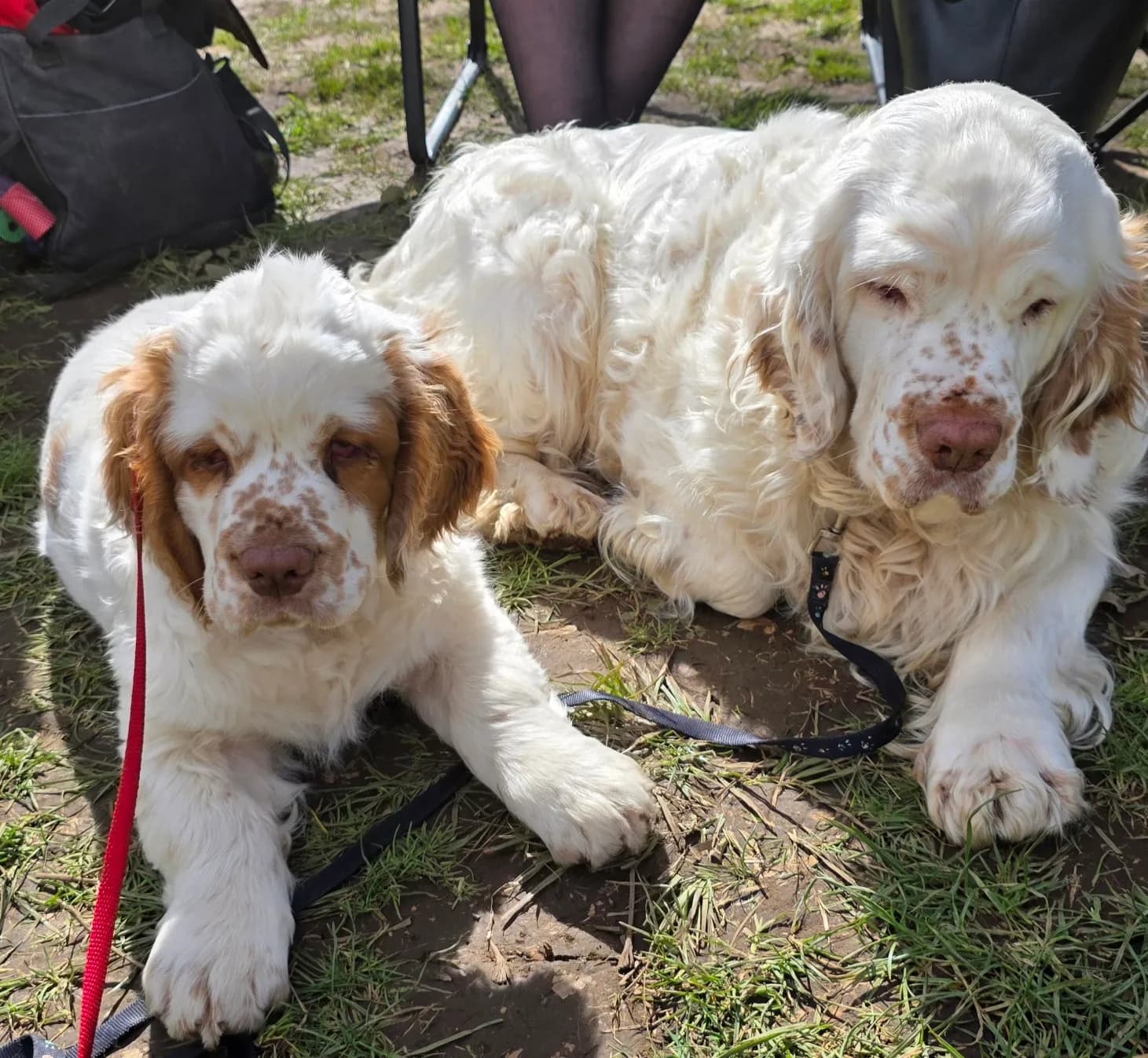
Why genetic diversity matters in New Zealand
Genetic diversity can sound like a complicated scientific subject, but for breeders it is really about keeping choices open. A healthy breed population needs enough different genetic lines that breeders are not repeatedly forced back to the same small group of dogs.
That matters particularly in New Zealand, where a vulnerable breed may have reasonable numbers overseas but only a small number of bloodlines available locally.
From my own breeding experience with Newfoundlands and Clumber Spaniels, the important question is not simply, “Is this a different dog?” It is, “Does this dog genuinely give the breed another useful genetic direction?”
Genetic diversity is not simply about having more dogs. It is about keeping more breeding choices available for the future.
Why small populations can narrow quickly
Imagine there are three bitches in New Zealand, each from genuinely different lines. Ideally, breeders might then bring in genetics from several further unrelated dogs and keep those families separate for as long as practical before eventually combining them.
On paper that looks straightforward. Real breeding rarely behaves so neatly.
One bitch may produce only a single daughter. Another litter may contain no suitable breeding prospect. A mating may fail altogether. Breeders then have to work with the dogs that were actually produced rather than the tidy genetic plan drawn beforehand.
Sometimes repeating a mating can help preserve options rather than reduce them. A second litter does not create new genetics, but it can create more representatives of a useful combination. Those offspring can later be taken in different directions through different mates.
Looking beyond the individual dog
Choosing an overseas sire brings another challenge: a New Zealand breeder may never have the opportunity to meet or physically assess that dog.
That makes pedigree research, health information, relatives, offspring and breeder knowledge especially important. The question is not simply whether the dog comes from another country, but whether his genetics are genuinely different from what is already available here.
The Royal Kennel Club’s population research illustrates why breeders need to look beyond individual dogs and consider what is happening across a breed over generations.
For breeders working with a small population, practical steps include keeping several family lines active where possible, studying pedigrees beyond the first few generations, recording health and breeding outcomes, and looking overseas before local genetic choices become too restricted.
Every breeding decision changes the choices available to the breeders who come next.
Keeping several genetic roads open
Population genetics is not about chasing one perfect mathematical number. It is about understanding how today’s decisions affect tomorrow’s options.
For vulnerable breeds in a small country such as New Zealand, maintaining several usable genetic roads can make the difference between a population that gradually narrows and one that still has room to develop.
Want the full background?
Read the complete Newflands article, Population Genetics Made Simple: Why Genetic Diversity Matters in Vulnerable Dog Breeds, for the wider discussion of population genetics, genetic diversity and long-term breed preservation.

