Why One Popular Stud Dog Can Change a Breed for Generations

Fiona Robertson
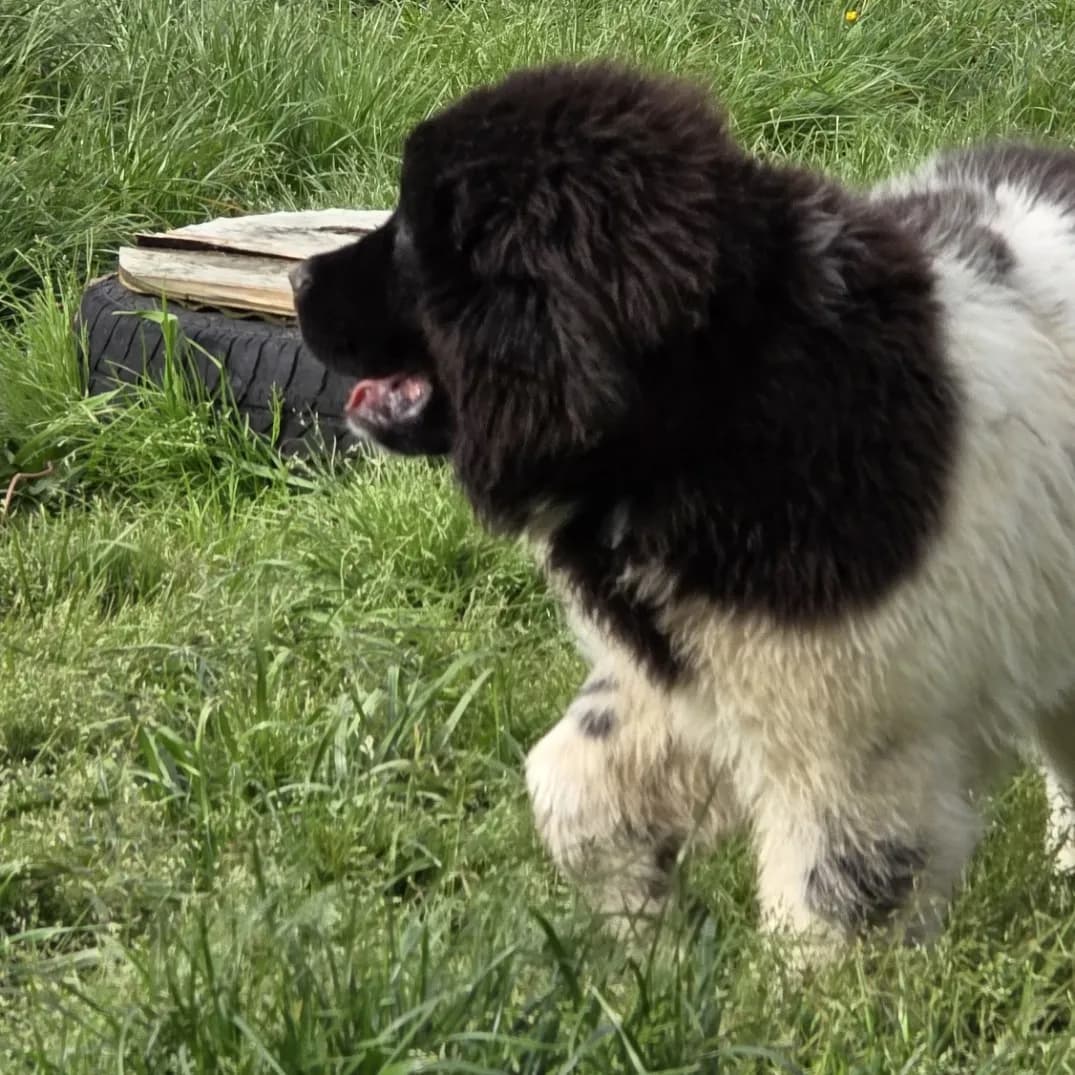
How one successful stud can reshape a small population
When a dog becomes highly successful in the show ring, breeders understandably take notice. If he has excellent type, movement, temperament or health credentials, using him may seem like an obvious way to improve the next generation.
But in a vulnerable breed there is a bigger question: how many breeders can make the same choice before the population starts losing other genetic options?
This is the popular sire effect. It happens when one male contributes so heavily to a breed that his genetics begin appearing through a large proportion of later pedigrees.
A popular sire is not necessarily a bad dog. The problem is over-reliance on any one dog or family.
Why the effect may take generations to notice
At first, the impact may not be obvious. Go back four, five or six generations, however, and the same influential dog can begin appearing repeatedly through different sons, daughters and grandchildren.
The Royal Kennel Club identifies excessive use of popular sires as an important contributor to loss of genetic diversity and increasing relatedness within breeds. Royal Kennel Club
That is why preservation breeding cannot simply mean choosing the best-known or most fashionable sire. Breeders also need to look at brothers, sisters, cousins and less-used branches of a family that may offer many of the same qualities while keeping another genetic road open.
Preserving options before they disappear
For me, preservation also means thinking ahead. Where practical, I have collected and stored semen from males even without an immediate plan to use it.
The value is not in guaranteeing that semen will one day be used. The value is in retaining an option that might otherwise disappear.
The same principle applies to breeder relationships. Vulnerable breeds cannot afford to lose useful bloodlines simply because two people do not particularly like one another. Health, temperament, pedigree and the future of the breed should carry more weight than personalities.
Keeping more than one genetic road open
Breeders can reduce the popular sire effect by looking beyond the obvious choice, checking how heavily a sire and his close relatives are already represented, and keeping suitable less-used lines in circulation.
Healthy breed preservation means keeping several sensible genetic roads open so breeders ten or twenty years from now still have genuine choices.
Want the full background?
Read the complete Newflands article, The Popular Sire Effect: When One Successful Dog Shapes a Whole Breed, for the wider discussion of popular sires, genetic diversity and vulnerable breed preservation.

